
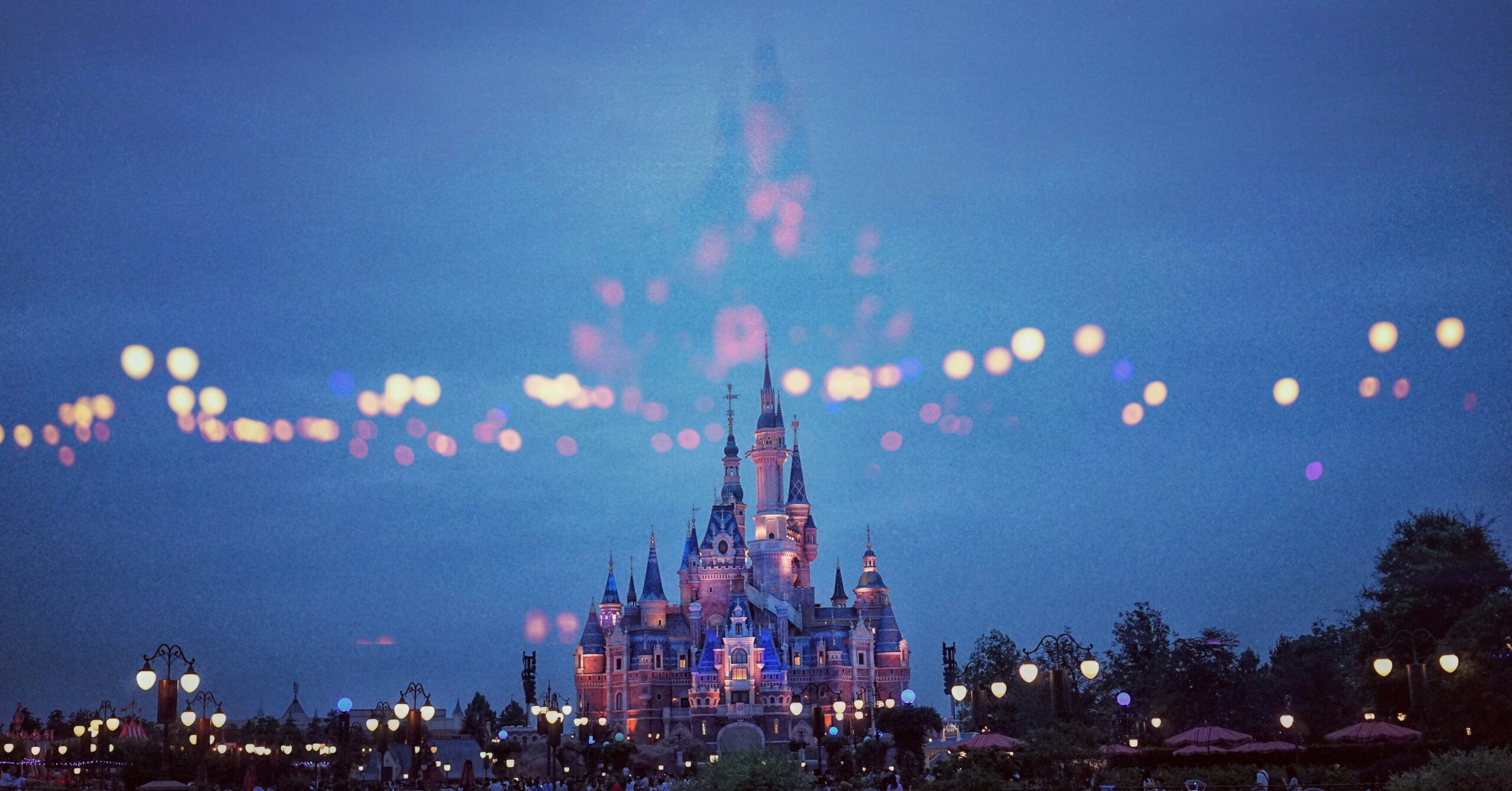
Shanghai Disneyland Park: An Assessment
My initial visit to Shanghai Disneyland Park was driven by a professional curiosity rather than a childhood dream. As an observer of theme park operations and cultural adaptation, the opportunity to experience a Disney park designed specifically for the Chinese market presented a unique case study. My objective was to analyze the park’s design, operational efficiency, and overall guest experience from a somewhat detached perspective, focusing on its successes and challenges within its specific context.
My arrival at Shanghai Disneyland was a straightforward affair. The park is accessible via metro, a common and efficient mode of transport in Shanghai. The station itself is adorned with subtle Disney motifs, a prelude to the larger experience. The walk from the metro station to the park entrance was well-managed, even with a noticeable pre-opening crowd. This pathway offered my first real glimpse into the park’s architectural and landscape design, which aimed to blend traditional Disney aesthetics with elements that resonate with local sensibilities.
Navigating the Entrance Process
Security checks were thorough but efficient, a necessary component of theme park operations globally. The ticketing gates, while numerous, did experience periodic bottlenecks, particularly when dealing with group entries. This is understandable given the volume of visitors, but it did highlight an area where processing could potentially be streamlined further. Anecdotal observations suggested that the digital ticket integration was generally smooth, but some international visitors faced minor issues with app functionality or connectivity, prompting a need for staff assistance.
First Look at Disneytown
Before entering the main park, I spent a brief period in Disneytown, the park’s adjacent shopping, dining, and entertainment district. This area functions much like Universal CityWalk or Disney Springs, offering a variety of retail options and eateries. My impression was that Disneytown serves its purpose as a buffer zone and an extended entertainment option, though it felt somewhat generic in its offerings, with many international brands that are not exclusive to Disney. The architecture, while pleasant, didn’t immediately convey the strong thematic elements I anticipated from a Disney property.
Shanghai Disneyland Park has quickly become a must-visit destination for both locals and tourists, offering a unique blend of Disney magic and Chinese culture. For those interested in learning more about the park’s attractions, events, and visitor tips, a great resource is the article available at Theme Park Info. This site provides comprehensive insights into the various experiences that Shanghai Disneyland has to offer, ensuring that guests can make the most of their visit.
Exploring the Themed Lands
Shanghai Disneyland comprises six themed lands, each with a distinct narrative and collection of attractions. My methodical approach involved traversing each land systematically to assess its thematic coherence, attraction quality, and crowd management strategies.
Mickey Avenue
Mickey Avenue is Shanghai Disneyland’s equivalent of Main Street, U.S.A. However, it departs significantly from the traditional model by featuring Disney characters as its inhabitants rather than an idealized turn-of-the-century American town. This adaptation seemed a logical choice, considering the potential cultural disconnect with Americana for a largely Chinese audience. The architecture is colorful and whimsical, designed to evoke the animated world of Mickey and friends.
Thematic Cohesion and Character Integration
The shops and restaurants along Mickey Avenue are largely character-themed, selling merchandise and quick-service food. While the character integration was evident, I noted that the opportunity for more immersive storytelling within the shops themselves was somewhat underutilized. The emphasis appeared to be heavily on merchandise sales rather than narrative extension. Character meet-and-greets were numerous and popular, contributing significantly to the lively atmosphere.
Operational Flow
Crowd flow through Mickey Avenue was generally good, though the central hub leading to Gardens of Imagination could become quite congested during peak times, particularly before parades or fireworks. The width of the thoroughfare was adequate, but the concentration of attractions and character interactions in this area inevitably led to periodic slowdowns.
Gardens of Imagination
Positioned centrally, Gardens of Imagination is a unique land for Shanghai Disneyland, replacing the traditional hub or roundabouts found in other Disney parks. This area features Chinese zodiac gardens and offers panoramic views of the Enchanted Storybook Castle. It’s designed as a serene space, offering a visual break from the more intense thematic areas.
Garden Design and Cultural Relevance
The twelve gardens, each dedicated to a Chinese zodiac animal, felt like a respectful nod to local culture. The artistry of the topiaries and the landscaping were commendable, providing both aesthetic appeal and photo opportunities. However, beyond the visual elements, the interactive engagement in this area was minimal, primarily serving as a thoroughfare or a place for a brief respite.
Attractions in Focus
The two main attractions in this land are Fantasia Carousel and Dumbo the Flying Elephant. These are classic Fantasyland-style rides and were consistently popular, particularly with families. Their operational efficiency was typical for such attractions, with steady queues and reasonable throughput. My assessment was that these rides fulfill their role as family-friendly, gentle entertainment without breaking new ground in show technology.
Shanghai Disneyland Park has become a popular destination for families and tourists alike, offering a unique blend of Disney magic and Chinese culture. Visitors can explore various themed lands, enjoy thrilling rides, and experience live entertainment that showcases beloved characters. For those interested in learning more about the latest developments and attractions at this enchanting park, you can check out a related article that provides insights into upcoming events and expansions. To read more, visit this informative piece that highlights what to expect in the near future.
Fantasyland
Fantasyland at Shanghai Disneyland is the largest of all Fantasylands in Disney parks, primarily due to the grandeur of the Enchanted Storybook Castle, which also houses attractions. This land is dedicated to the tales of classic Disney princesses and characters.
Enchanted Storybook Castle: An Examination
The castle itself is a magnificent structure, visually arresting and truly a central icon. Its uniqueness lies in its inclusion of a walk-through attraction, “Once Upon a Time Adventure,” and a boat ride, “Voyage to the Crystal Grotto.” The walk-through attraction, while visually appealing, felt somewhat linear and lacked the interactive depth I might have expected from a marquee castle attraction. The boat ride offered a charming journey beneath the castle, showcasing Disney stories with well-executed practical effects and animatronics, but its leisurely pace led to longer queue times relative to its short ride duration.
Other Fantasyland Offerings
My exploration included Peter Pan’s Flight, the Many Adventures of Winnie the Pooh, and the Seven Dwarfs Mine Train. Peter Pan’s Flight was a well-maintained classic, delivering the familiar charm expected. Winnie the Pooh, while pleasant, felt somewhat dated in its execution compared to newer attractions. The Seven Dwarfs Mine Train was a significant draw, consistently boasting some of the longest wait times in the park. Its blend of dark ride elements and a mild roller coaster experience was well-received, and the animatronics were particularly impressive in their fluidity and expressive quality.
Treasure Cove
Treasure Cove is a land unique to Shanghai Disneyland, themed around the Pirates of the Caribbean franchise. Its design is ambitious, aiming to immerse guests in an 18th-century pirate port.
The Architectural Setting
The scale of the “shipwreck” structures, the detailed rockwork, and the overall atmospheric design were commendable. It successfully conveyed the sense of a bustling, somewhat ramshackle pirate harbor. The inclusion of interactive elements like “Explorer Canoes” allowed for an alternative view of the lagoon and reinforced the adventurous theme.
Pirates of the Caribbean: Battle for the Sunken Treasure
This attraction is, without question, the highlight of Treasure Cove and one of the park’s standout achievements. My experience on this ride revealed a masterful integration of projection mapping, sophisticated animatronics, and a continually evolving narrative. The ride vehicles, which allow for seamless backward and forward motion, contribute significantly to the immersive storytelling. The seamless transition between physical sets and digital projections created a highly dynamic and engaging experience. This attraction demonstrates a significant leap in dark ride technology and narrative execution.
Eye of the Storm: A Stunt Show Analysis
The “Eye of the Storm: Captain Jack’s Stunt Spectacular” delivered its promise of live action and impressive stunts. The performers were skilled, and the pyrotechnics and stage effects were well-timed. While entertaining, the show felt broadly similar to other stunt shows in various theme parks globally, lacking a distinctive innovative element beyond its connection to the Pirates franchise.
Adventure Isle
Adventure Isle is another land designed for exploration and adventure, featuring a prominent roaring mountain, Camp Discovery, and the popular Roaring Rapids attraction.
Roaring Rapids: A Crowd-Pleaser
Roaring Rapids was a highly popular attraction, especially on warmer days. The artificial mountain, “Roaring Mountain,” with its imposing creature, serves as a central visual element. The ride itself is a standard river rapids attraction, providing a wet and exhilarating experience. The unique element here is the thematic integration of the mythical Q’araq, which added a local flavor to a familiar ride concept. The operational aspects were typical of such water rides, with efficient loading and off-loading systems.
Camp Discovery: An Interactive Exploration
Camp Discovery offers more interactive elements, including rope courses and challenging pathways. This area is designed to engage guests in physical activity and exploration. While it caters to a specific demographic looking for a more active experience, I observed that its popularity was less widespread than the thrill rides. It demonstrated an attempt to diversify the park’s offerings beyond traditional attractions.
Tomorrowland
Tomorrowland often serves as a canvas for showcasing futuristic technology and innovation. Shanghai Disneyland’s Tomorrowland emphasizes sleek, modern design and incorporates unique attractions.
TRON Lightcycle Power Run: An Evaluation
TRON Lightcycle Power Run is undoubtedly the signature attraction of Shanghai Disneyland’s Tomorrowland. My ride experience confirmed its reputation as a thrilling, high-tech roller coaster. The ride’s unique seating position, resembling a motorcycle, and its immersive indoor and outdoor track elements, combined with stunning lighting and sound design, created a genuinely exhilarating experience. The kinetic energy within the queue area, with the ride vehicles whizzing by overhead, built anticipation effectively. Operationally, it achieved high throughput, a critical factor for such a popular attraction.
Buzz Lightyear Planet Rescue
This attraction is an interactive dark ride, a variation of the familiar Buzz Lightyear Astro Blasters found in other Disney parks. The core concept remains the same: guests use laser cannons to shoot targets and accumulate points. The Shanghai version felt well-maintained and offered a consistent interactive experience. Its appeal primarily lies with younger audiences and families, providing a less intense alternative to TRON.
Guest Experience and Operational Efficiency

Beyond the individual attractions, I paid close attention to broader aspects of the guest experience, including dining, merchandise, and the overall operational fluidity of the park.
Dining Experiences
The park offers a wide range of dining options, from quick-service kiosks to more formal sit-down restaurants. My sample experiences revealed a decent variety of cuisines, including local Chinese dishes, Western fare, and fusion options. The quality of the food was generally acceptable for a theme park setting, though pricing was consistent with premium park operations. The efficiency of quick-service locations varied, with some experiencing significant queues during peak lunch and dinner hours. The indoor seating options were appreciated, especially during inclement weather or extreme heat.
Merchandise Offerings
Merchandise is a significant component of the Disney park experience, and Shanghai Disneyland was no exception. Shops were abundant throughout all lands, offering a predictable array of character-themed items, apparel, and souvenirs. I did observe a noticeable emphasis on exclusive Shanghai Disneyland merchandise, which is a sensible strategy for local appeal. The design of many retail spaces was aesthetically pleasing, contributing to the overall park theme. However, the sheer volume of shops and the ubiquity of character products could sometimes feel overwhelming rather than curated.
Crowd Management and Digital Integration
Managing large crowds is a perpetual challenge for any major theme park. Shanghai Disneyland employed various strategies, including designated queue areas, staff guidance, and the Disney Premier Access system (a paid skip-the-line option). The park’s mobile app played a crucial role in providing wait times, park maps, and operational updates. While the app was functional, I did encounter occasional connectivity issues within certain areas of the park, which could hinder real-time information access for guests reliant on it. The implementation of mobile ordering for certain food vendors was a positive step towards reducing queues.
Strengths and Areas for Consideration

After my comprehensive review, I formulated a list of strengths and identified areas that might warrant further consideration or refinement.
Notable Strengths
The park’s commitment to integrating Chinese cultural elements, particularly in Gardens of Imagination and the general thematic adaptations, was a significant strength. The emphasis on advanced ride technology, exemplified by Pirates of the Caribbean and TRON Lightcycle Power Run, set a high standard for immersive attraction experiences. The cleanliness of the park was consistently impressive, reflecting a high standard of maintenance. Staff were generally polite and helpful, though language barriers could occasionally present minor challenges for non-Mandarin speaking international visitors.
Areas for Consideration
One area for consideration relates to the somewhat limited differentiation in entertainment offerings beyond the core attractions. While there were parades and fireworks, the variety of unique street performances or specialized shows felt less diverse than in some other Disney parks. The dining experience, while offering variety, could benefit from more distinctive culinary offerings that truly stand out in terms of quality or innovation. Additionally, while the park is modern, some queue areas, particularly for older ride concepts, lacked the level of interactive elements or sophisticated theming now expected from new Disney park developments, which could lead to longer perceived wait times. Finally, the occasional inconsistencies in cellular service within park boundaries meant that the digital tools integral to the modern park experience were not always fully reliable.
In conclusion, Shanghai Disneyland Park is a significant addition to the global Disney portfolio. It successfully merges familiar Disney magic with thoughtful cultural adaptations and pushes technological boundaries with several of its signature attractions. My visit confirmed its status as a well-managed, technologically advanced, and culturally aware theme park, demonstrating Disney’s continued ability to create compelling entertainment experiences on an international scale, albeit with specific considerations for its unique market.
FAQs
What is Shanghai Disneyland Park?
Shanghai Disneyland Park is a theme park located in Pudong, Shanghai, China. It is the first Disney park in mainland China and the sixth in the world.
When did Shanghai Disneyland Park open?
Shanghai Disneyland Park opened to the public on June 16, 2016. It was the result of a partnership between The Walt Disney Company and the Shanghai Shendi Group.
What are the main attractions at Shanghai Disneyland Park?
Some of the main attractions at Shanghai Disneyland Park include the Enchanted Storybook Castle, Tron Lightcycle Power Run, Pirates of the Caribbean: Battle for the Sunken Treasure, and the Gardens of Imagination.
What are the park’s operating hours and ticket prices?
The operating hours and ticket prices for Shanghai Disneyland Park vary depending on the season and day of the week. It is recommended to check the official website for the most up-to-date information.
What dining and entertainment options are available at Shanghai Disneyland Park?
Shanghai Disneyland Park offers a variety of dining options, including quick-service restaurants, table-service restaurants, and snack stands. In terms of entertainment, the park features live shows, parades, and character meet-and-greets throughout the day.

0 Comments